
Designing Immersive Experiences - CIID IDP 2025
“We live today not in the digital, not in the physical, but in the kind of minestrone that our mind makes of the two.”
— Paola Antonelli, MOMA Design Curator
Dates: December 1, 2025 - December 12, 2025
Faculty: Joshua Walton & James Tichenor
Keywords: Sensing, Environments, Immersion, User Centered Design, Mixed Reality, Prototyping, Design Thinking
Course Description Document
Summary:
This course combines previous courses in interactive spaces, designing with emerging technologies, and mixed reality user experience. Students will explore how spaces fuse the digital and physical. In this course we will explore how to craft meaningful interactive spaces through practical, hands-on prototyping and scenario building. We will introduce and explore concepts from the design of internet connected objects to the worlds of virtual and mixed reality. To augment the world we first have to understand what we are augmenting and special attention will be paid to the development of new sensing approaches. A focus will be placed on rapidly prototyping and exploring these topics together.
Week One
Day One:
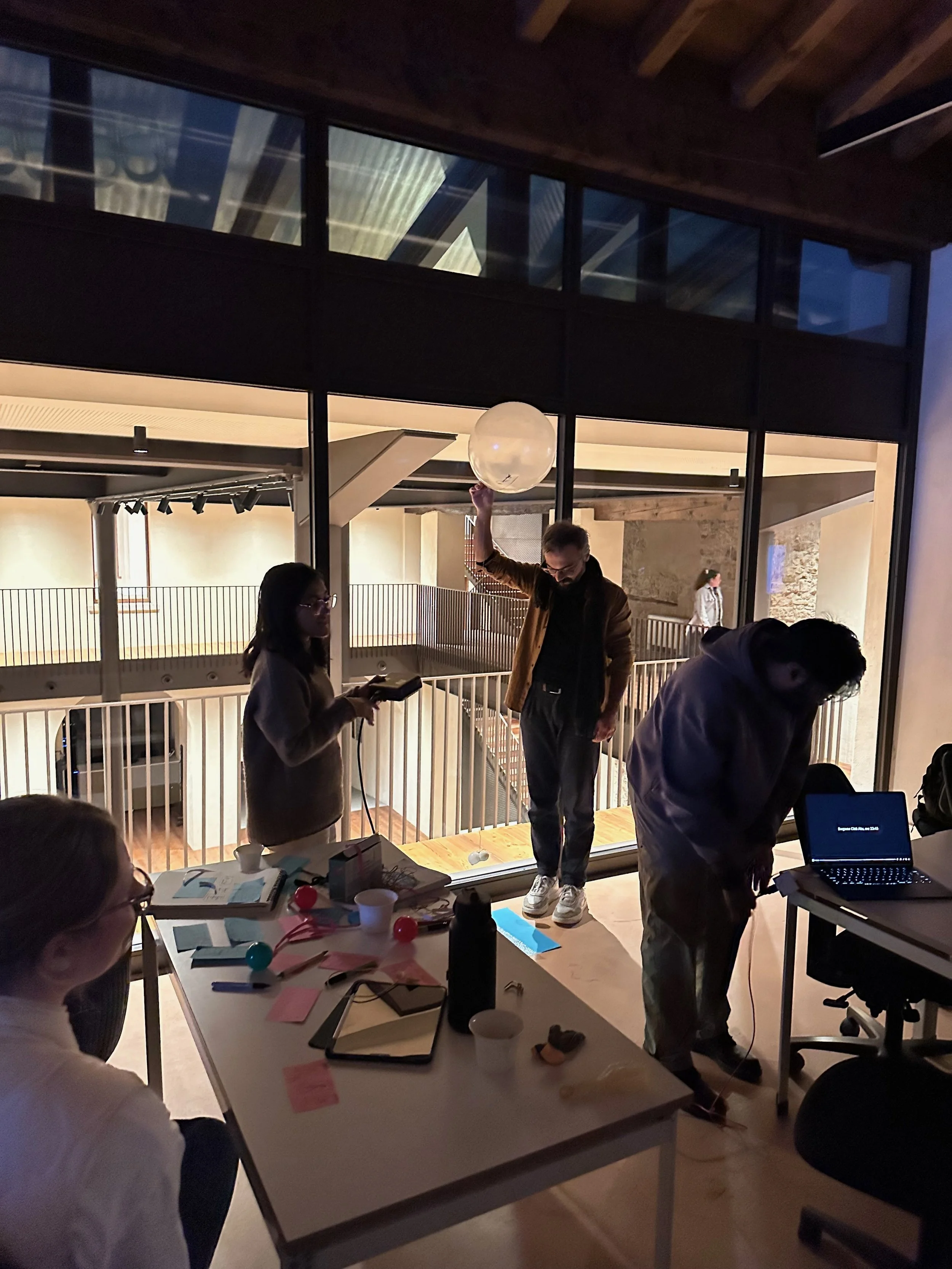
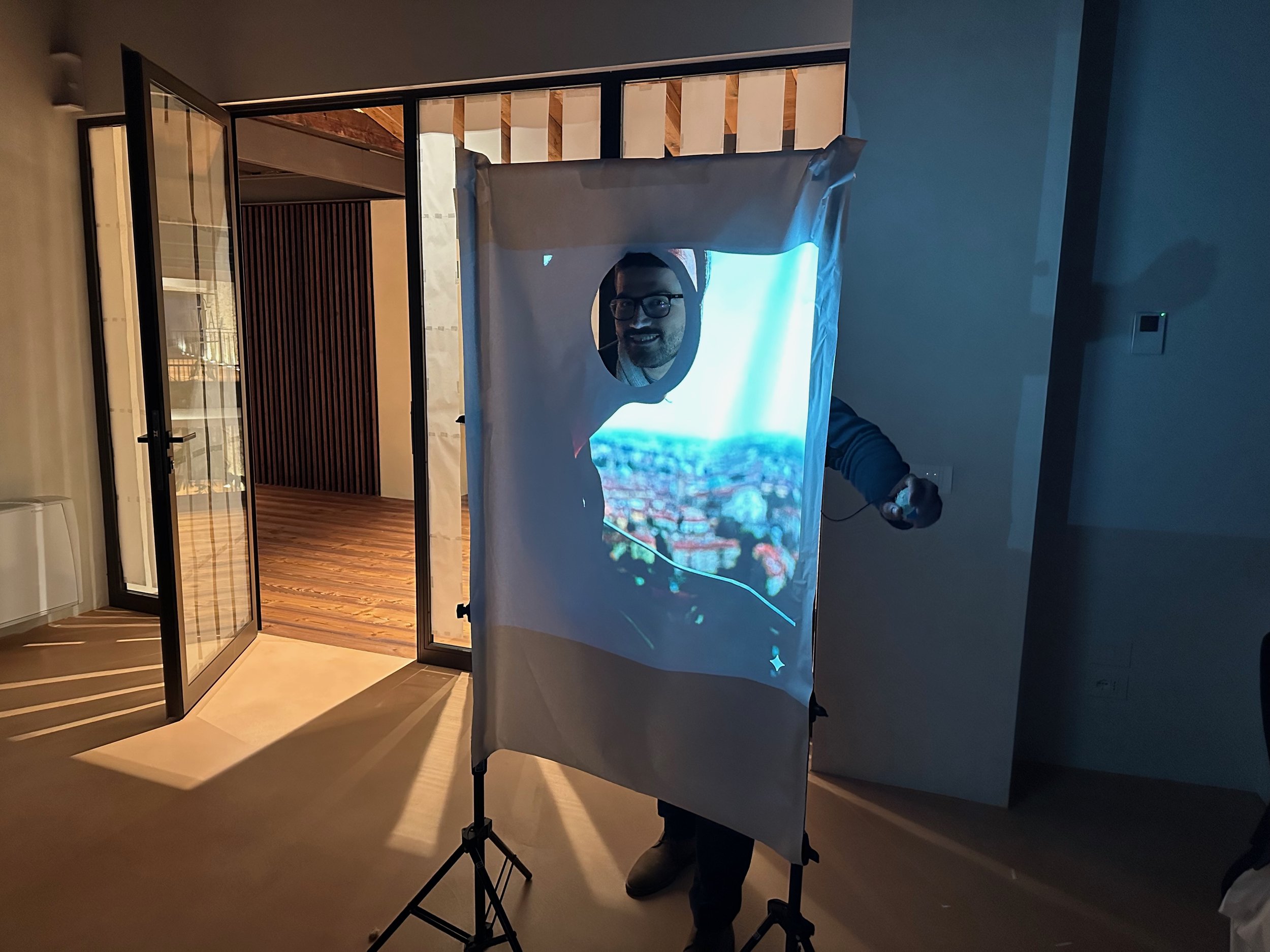
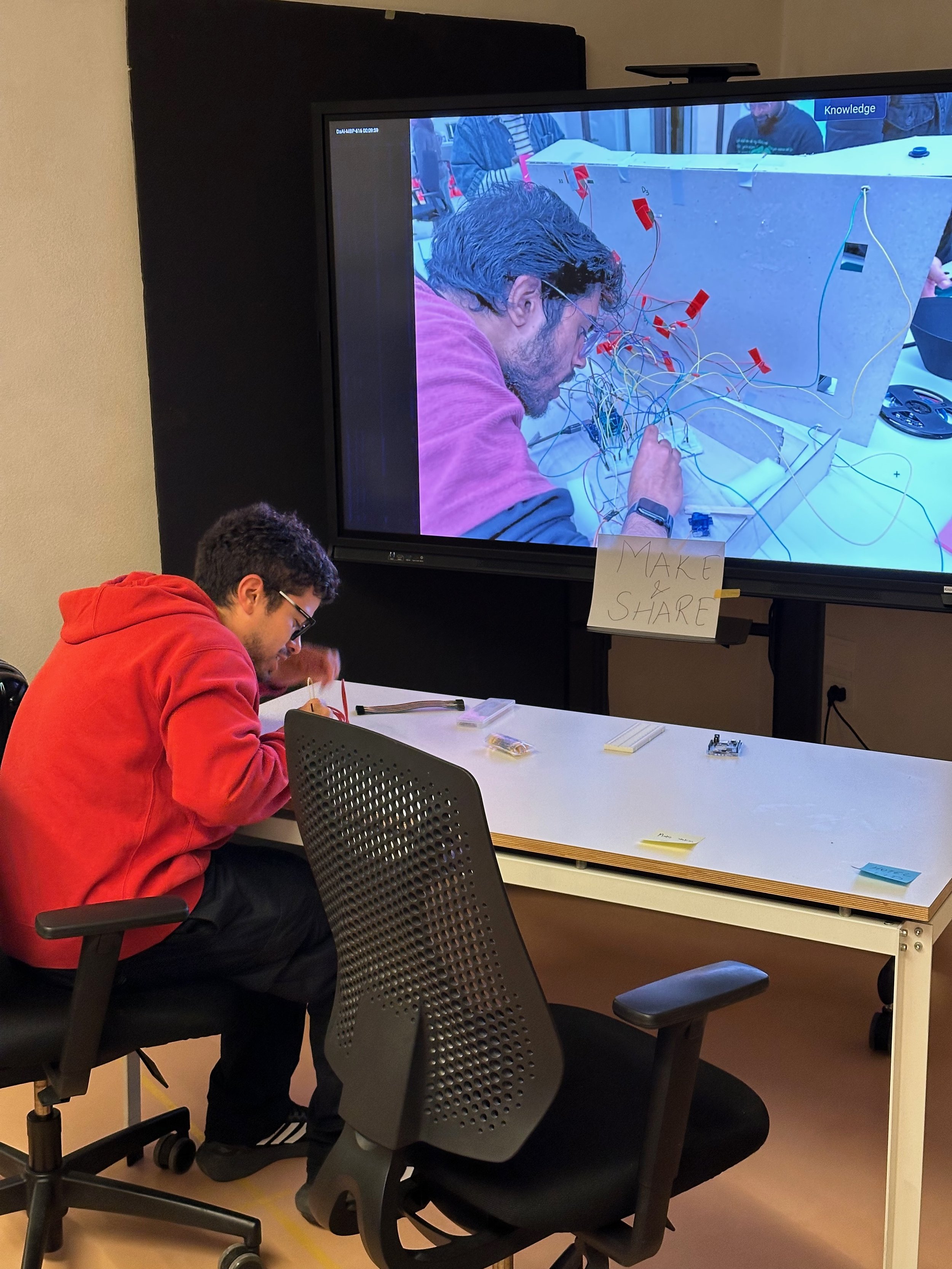
Breakfast
Discussion about favorite public places
Shared part of UX for Created Realities slides that discuss the design process
Day Two
Shared the rest of the UX for Created Realities slides
Discussed Prototyping Emerging Technology presentation
Talked about All the Realities
Discussed the idea of Creative Sensing
Jose Chavarría shared his final IDP Project and how he thought about sensing
We introduced the Week One Creative Brief
Day Three
We worked with our first Emerging Technology: The Arduino Uno Q
We created shared notes with our experiences on this technology
We introduced the MQTT protocol and using it for our projects
We discussed bringing projects through the Discovery, Concept, and into the Design Development phase
Day Four
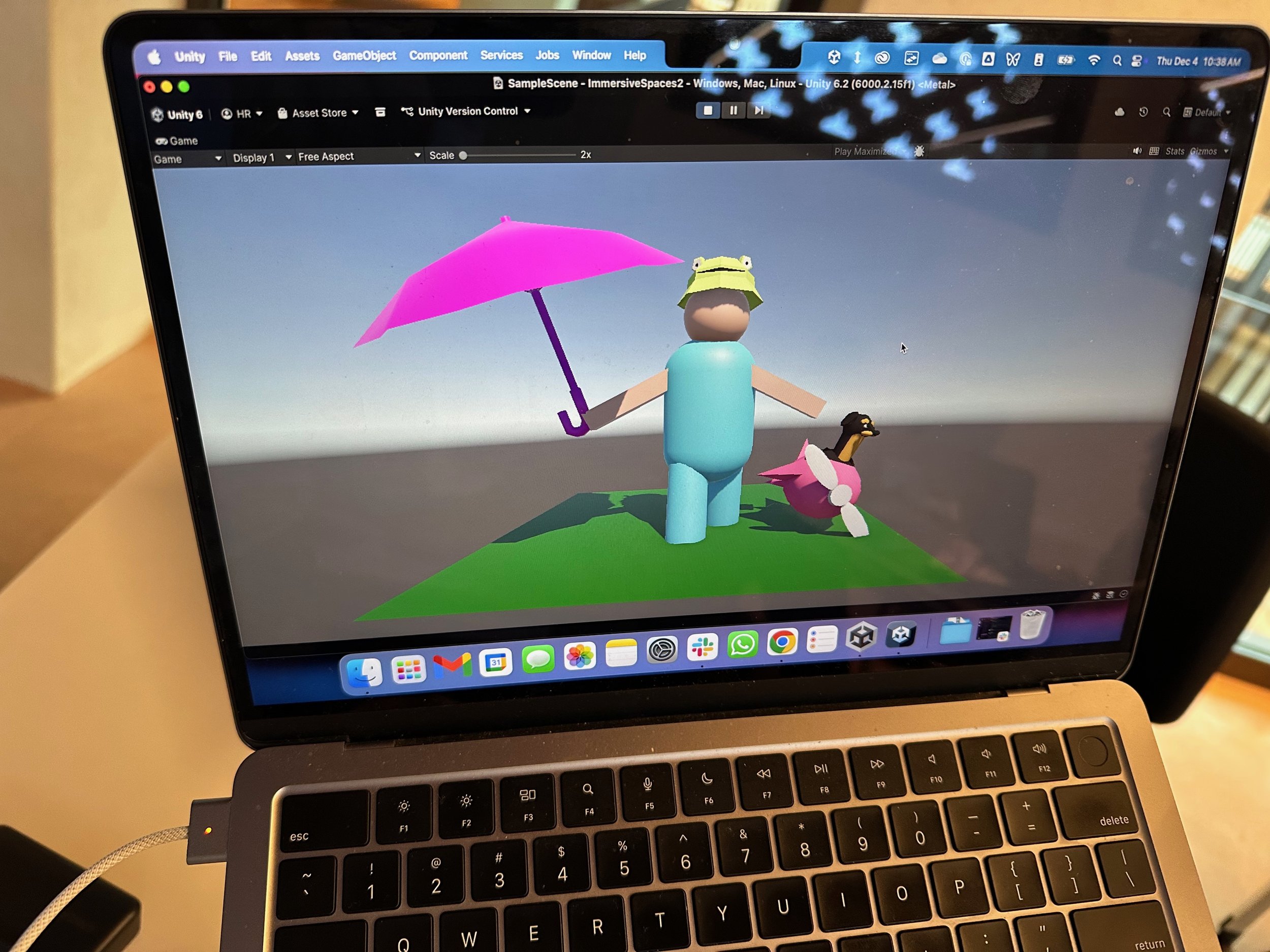
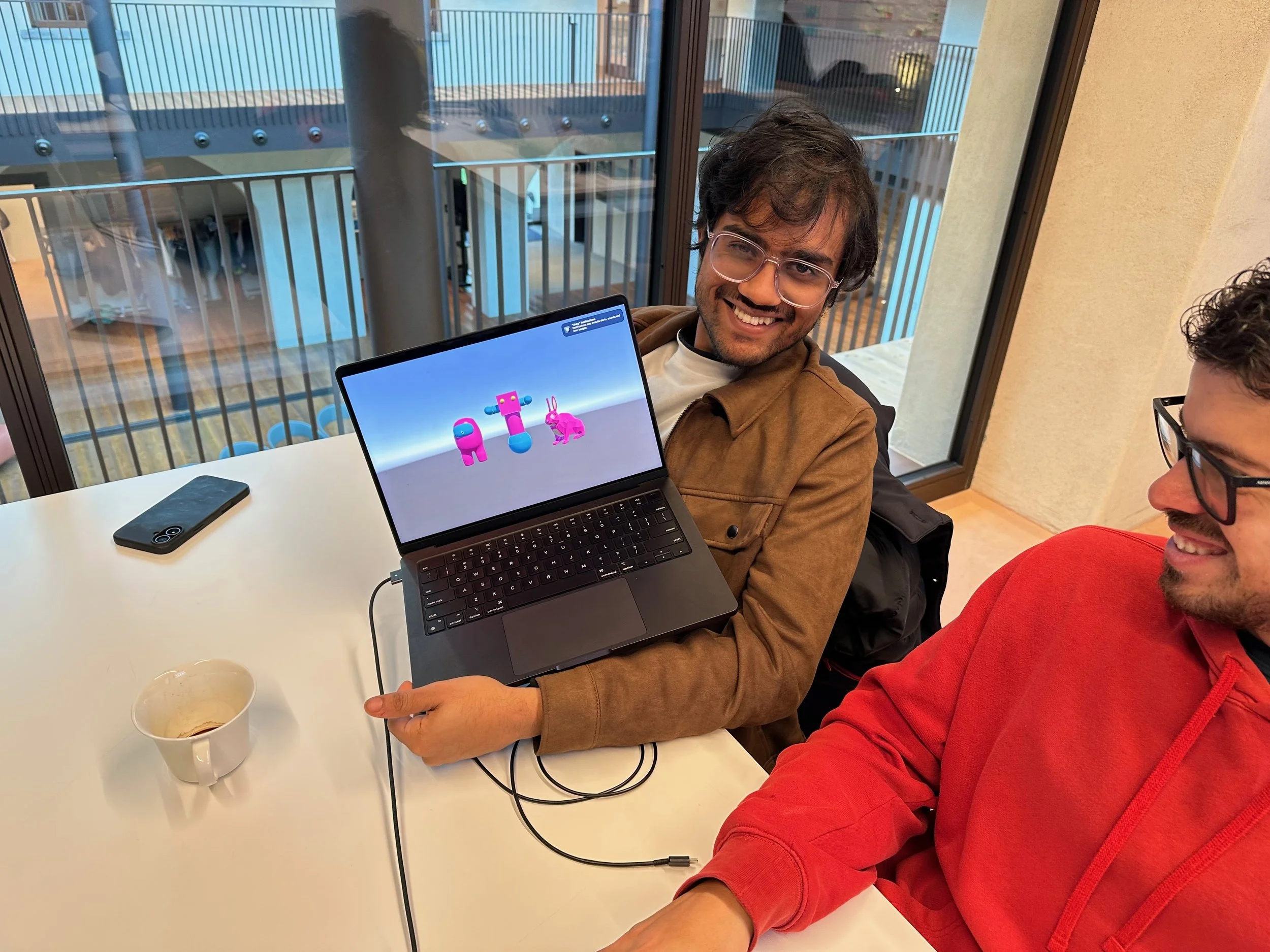
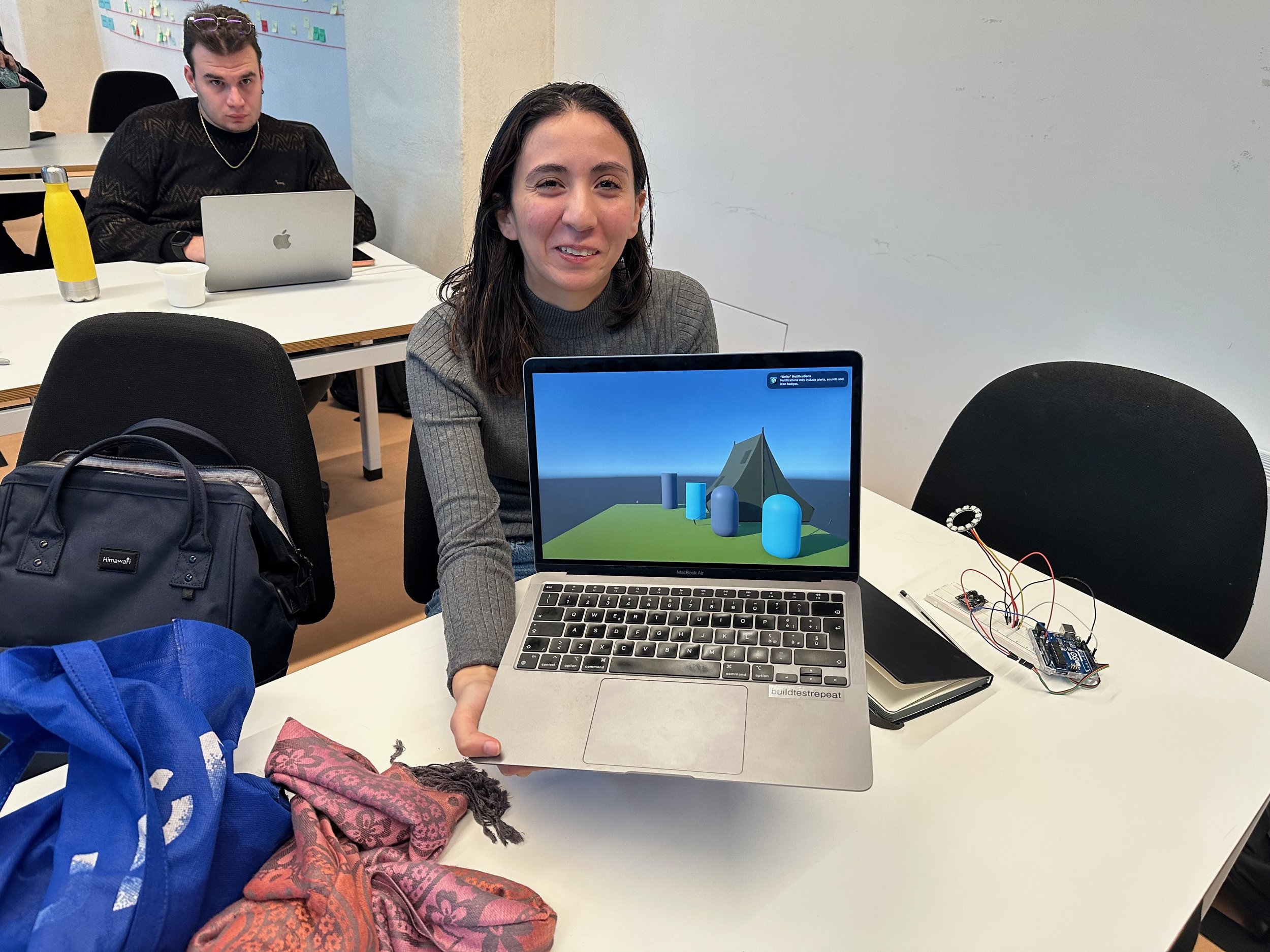
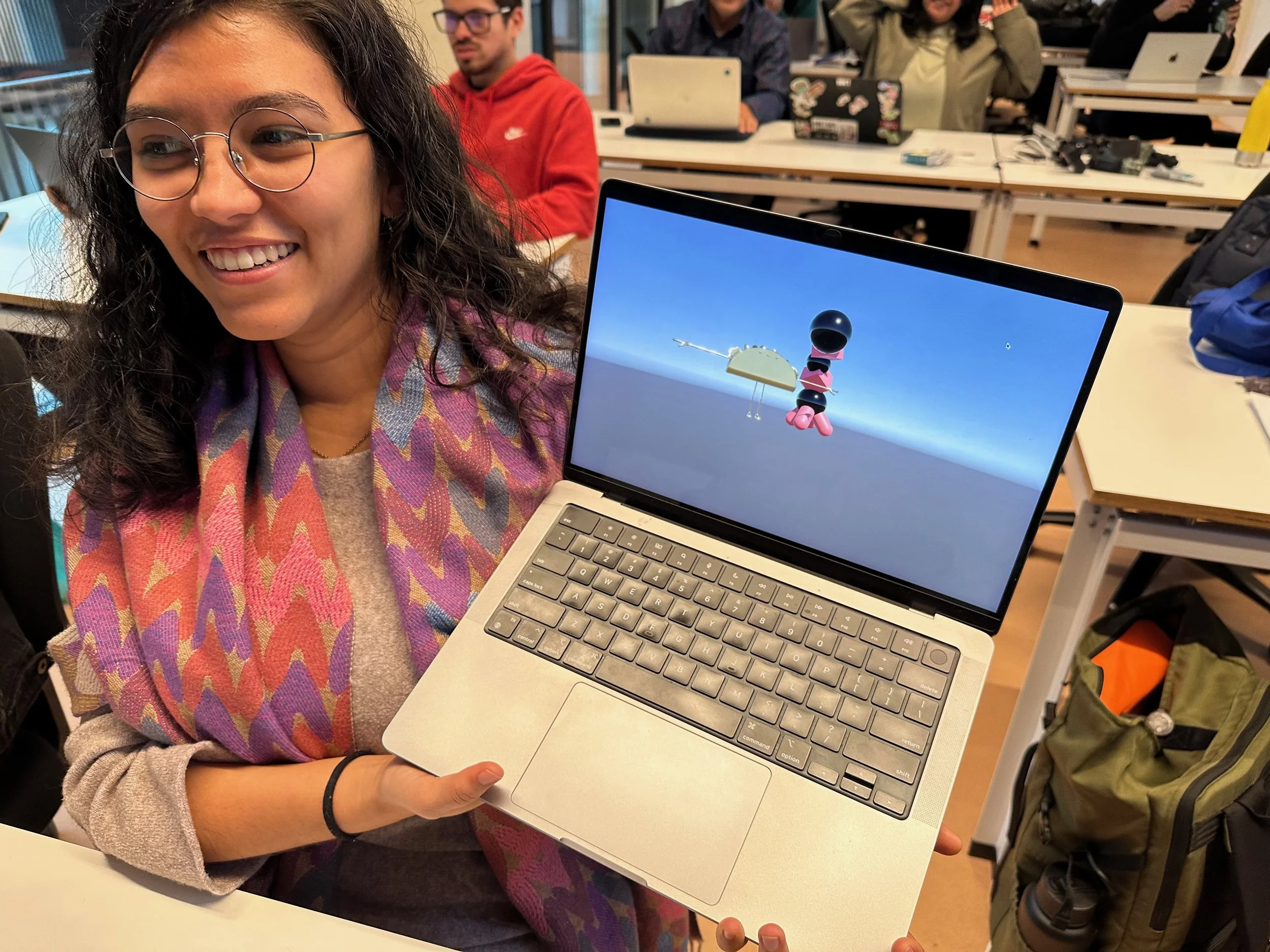
We introduced development for Unity, learned the interface a bit and then started programming GameObjects with the ability to turn them off and on, change their color, or rotate them.
We rounded the corner in our Week One project to complete Design Development and most of the way through Production
Day Five
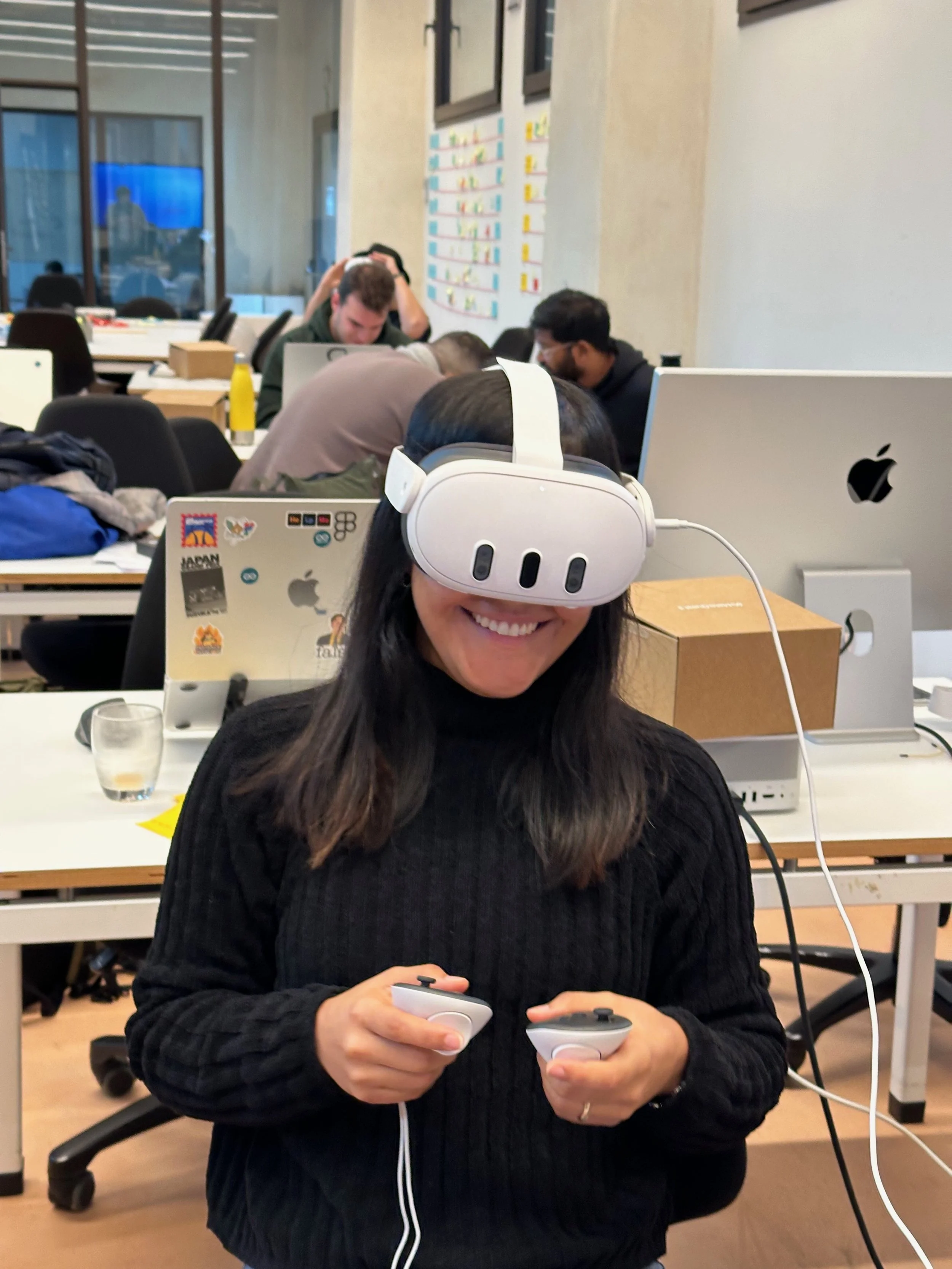
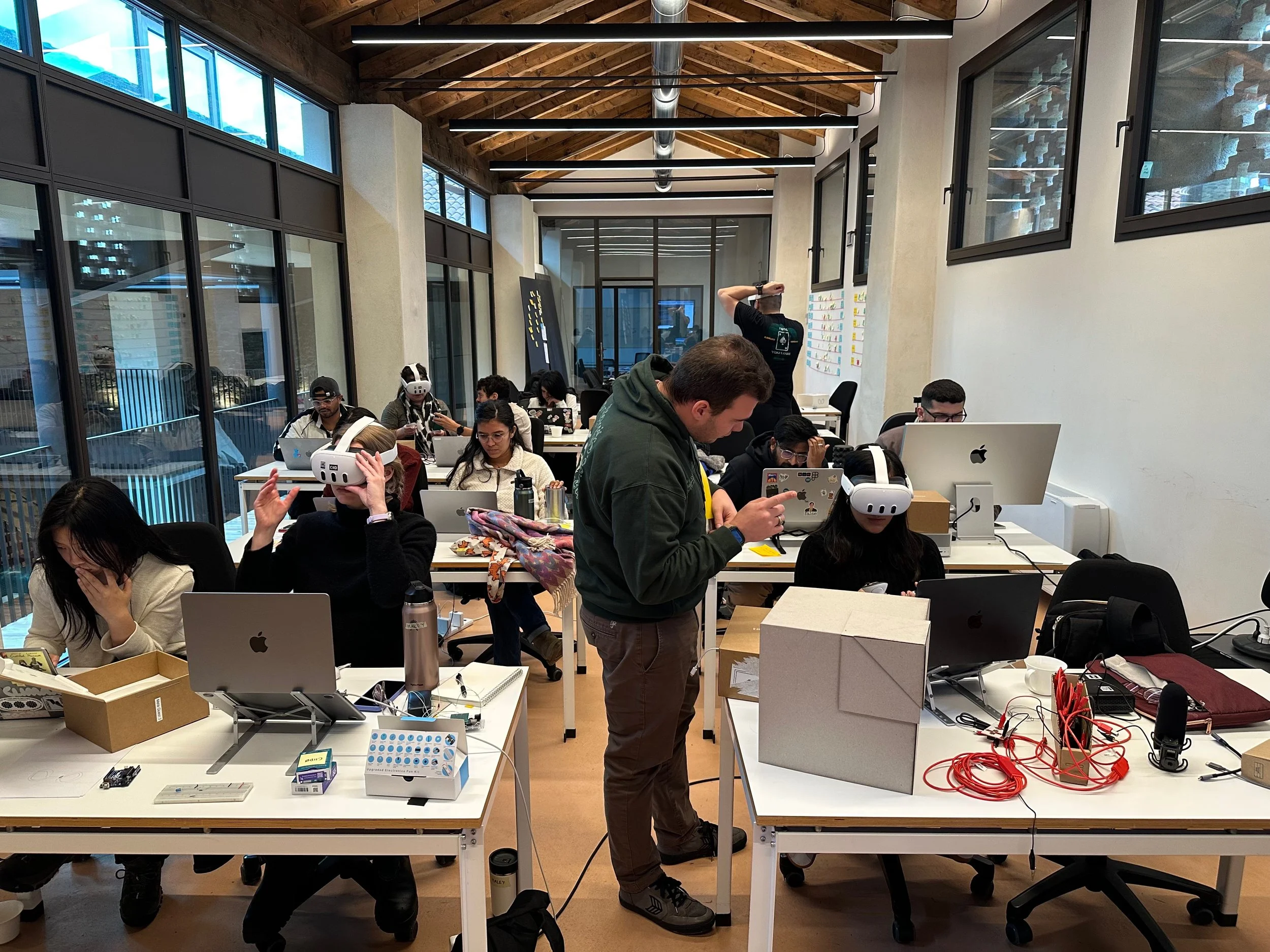
We learned the basics for how to develop for the Meta Quest 3 headset using Unity
We presented our Week One projects at 3:00pm
We talked about Projection Mapping and introduced a few tools
Team 1 Project (Nihkil, Andres, Davide): Understanding Air Quality and Pollution as an Actual Human Sense
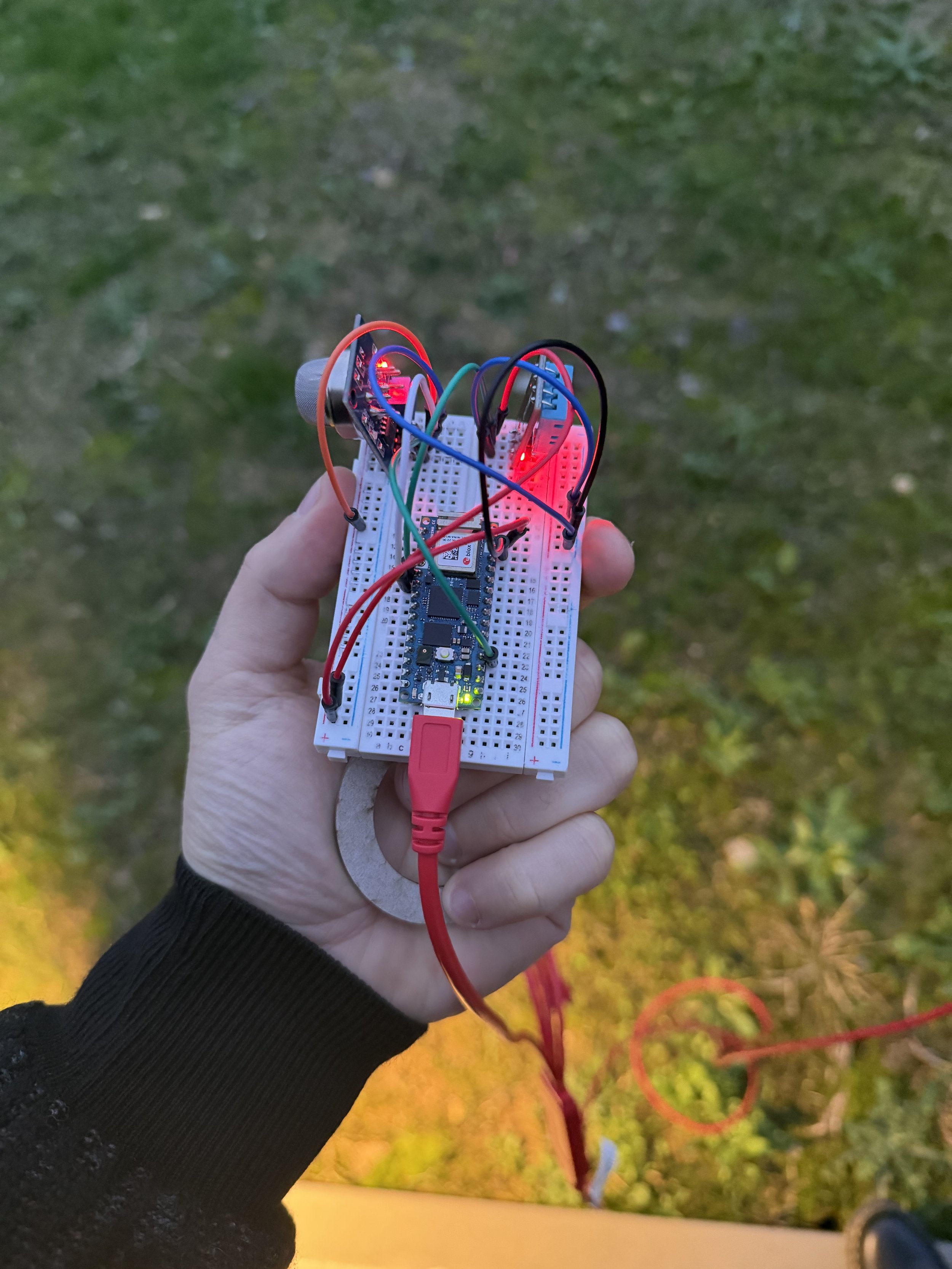
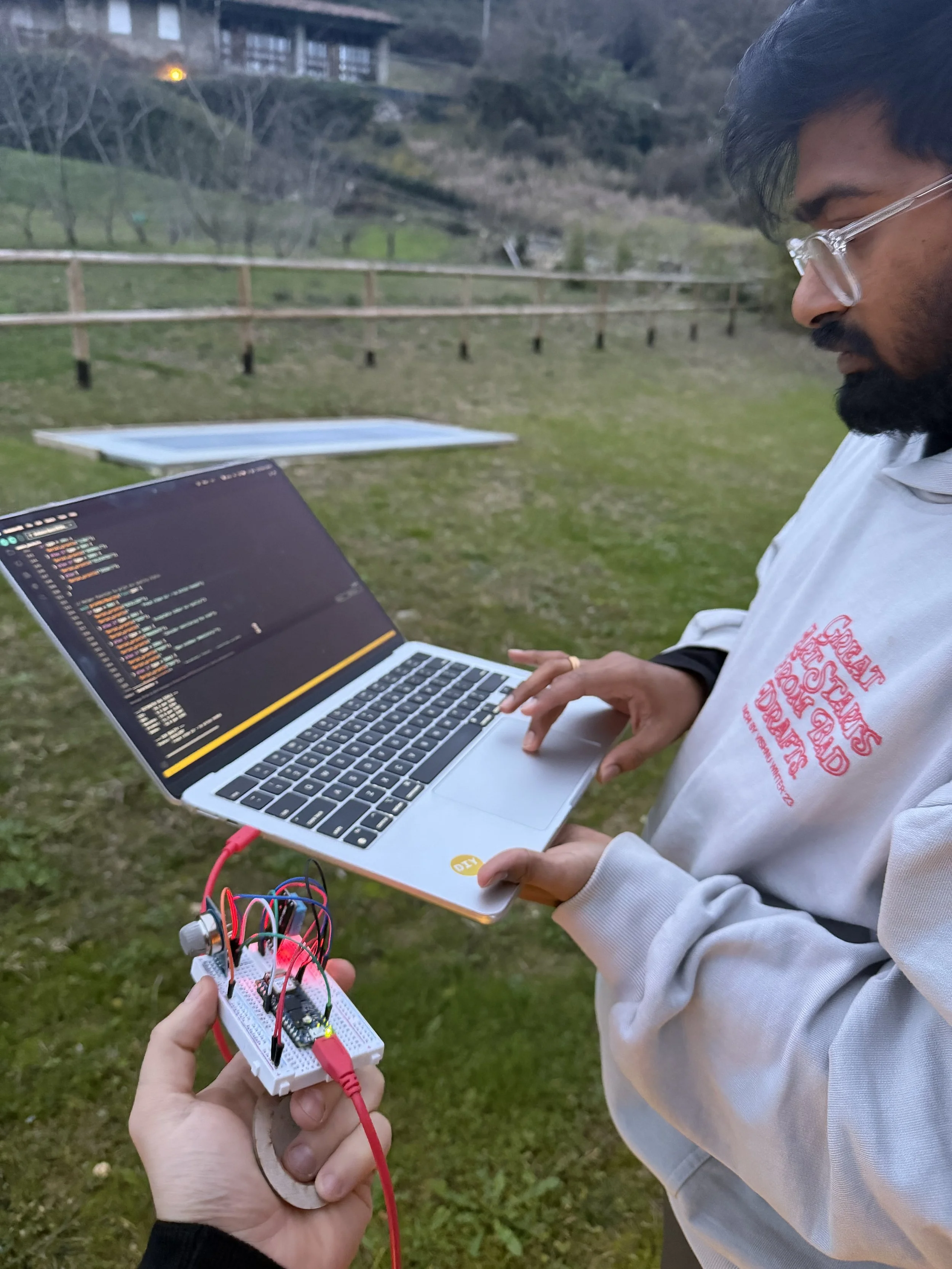
Team 2 Project (Maryam, Diana and Prianka): Sensing people emotions by human voice sounds
Team 3 Project (Haley, Ella, Daniela): The Hug Sensor: Reconnecting in a Digital World
Team 4 Project (Naman, Ali and Hitesh): Fruit Freshness Sensor
Team 5 Project (Pedro, Kabir, and Cassandra): Read The Room Using Ambient Sound
Week Two
Day One:
Introduced Creative Brief for Week Two
Worked on Discovery and Concept Process for Week Two Project
Day Two
Introduced three different approaches to critique / criticism
Worked on Concept and Design Development for Week Two Project
Day Three
Day Four
Day Five
Team 1 Project (Haley, Hitesh, Kabir) Touch Base
Space: Library
Team 2 Project (Maryam, Pedro, Diana, Cassandra) The Enacting Computer
Space: IDP2
Team 3 Project (Andres, Daniela, Nikhil) speakAR
Space: Space in front of Library or downstairs classroom
Team 4 Project (Davide, Naman, Prianka) The Byte Room
Space: Media Equipment Room
Tema 5 Project (Ella, Ali) “one fading minute”
Space: Pop-up room
Location:
Copenhagen Institute of Interaction Design (CIID)
Via Astino, 16, 24129 Bergamo BG Italy
Learning expectations:
Learn basic concepts, constraints and opportunities for Immersive Experiences so you can put these ideas into practice in future design work.
Develop a critical view of XR/AR/VR experiences and develop design principles for successful uses of this medium.
Get familiar with tools for the physical and virtual creation of immersive experiences
Write about your thoughts, process, and experience throughout the course as part of a documentation process
Learn how to apply the Design Frames introduced in the course
Using your hands – learning to make physical prototypes of all scales, starting at the analogue level, and working up to integrating digital components
How to use analogue and digital tools to create interactive experiences
Deepen prototyping skills and develop an understanding of how and when to use each technique
Learning basic methodology to create an experience through user journeys, research, prototyping, user testing, body/brainstorming, workshopping, etc
Learn practical idea generation and critical thinking methods
How to create & use physical affordances, and how to design for action
Experience and develop a vocabulary for Virtual and Mixed Reality interaction design
Develop an ability to find and expand insights related to interactive environments
Prototyping communication skills – learning how to create and use prototypes, and when (fidelity vs. content, contextual use)
Downloads and Links:
Unity Resources:
Other Resources:
Game to Learn the Terminal